
APIO JOURNAL · F&B DESIGN & BUILD · KLANG VALLEY
A restaurant renovation budget works best when it separates the fit-out scope from the wider cost of opening the business. Before dividing money between finishes and furniture, identify the work the premises needs, the equipment the menu requires and the items excluded from the construction quotation.
There is no reliable universal percentage split for every Klang Valley restaurant. A unit with reusable services presents a different scope from a bare shoplot or a premises that needs substantial alterations. Use a structured budget sheet to make those differences visible.
The short answer
Allocate the budget by work package, list exclusions and provisional items, and keep a separate reserve for unresolved risks. Update the forecast as evidence improves. A total without a scope breakdown is difficult to compare or control.
1. Define what your restaurant renovation budget includes
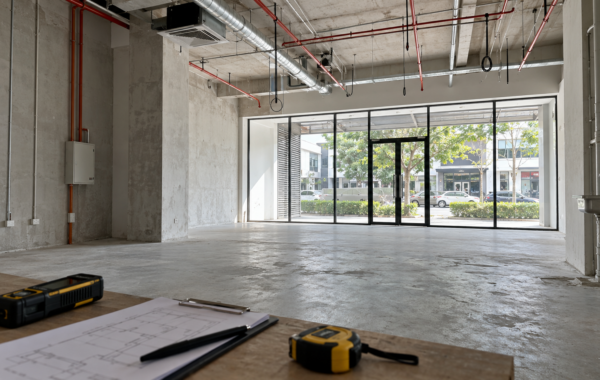
Start with a one-page definition of the project. Record the location, approximate area, menu, intended service model, equipment assumptions and target opening date. Note which existing elements you hope to retain, but mark them as subject to verification until their condition and suitability are confirmed.
Then separate three amounts: contracted fit-out work, owner-procured opening items and operating cash. This article focuses on organising renovation decisions, not prescribing how much working capital your business requires. Discuss that wider allocation with your financial adviser or business consultant.
| Budget group | Examples to clarify | Question before approval |
|---|---|---|
| Design and coordination | Brief, drawings, specifications and agreed services | What deliverables and revisions are included? |
| Site and building work | Removal, partitions, floors, ceilings and preparation | What existing conditions are assumed? |
| Services | Electrical, plumbing, drainage and ventilation scope | Has the equipment schedule been coordinated? |
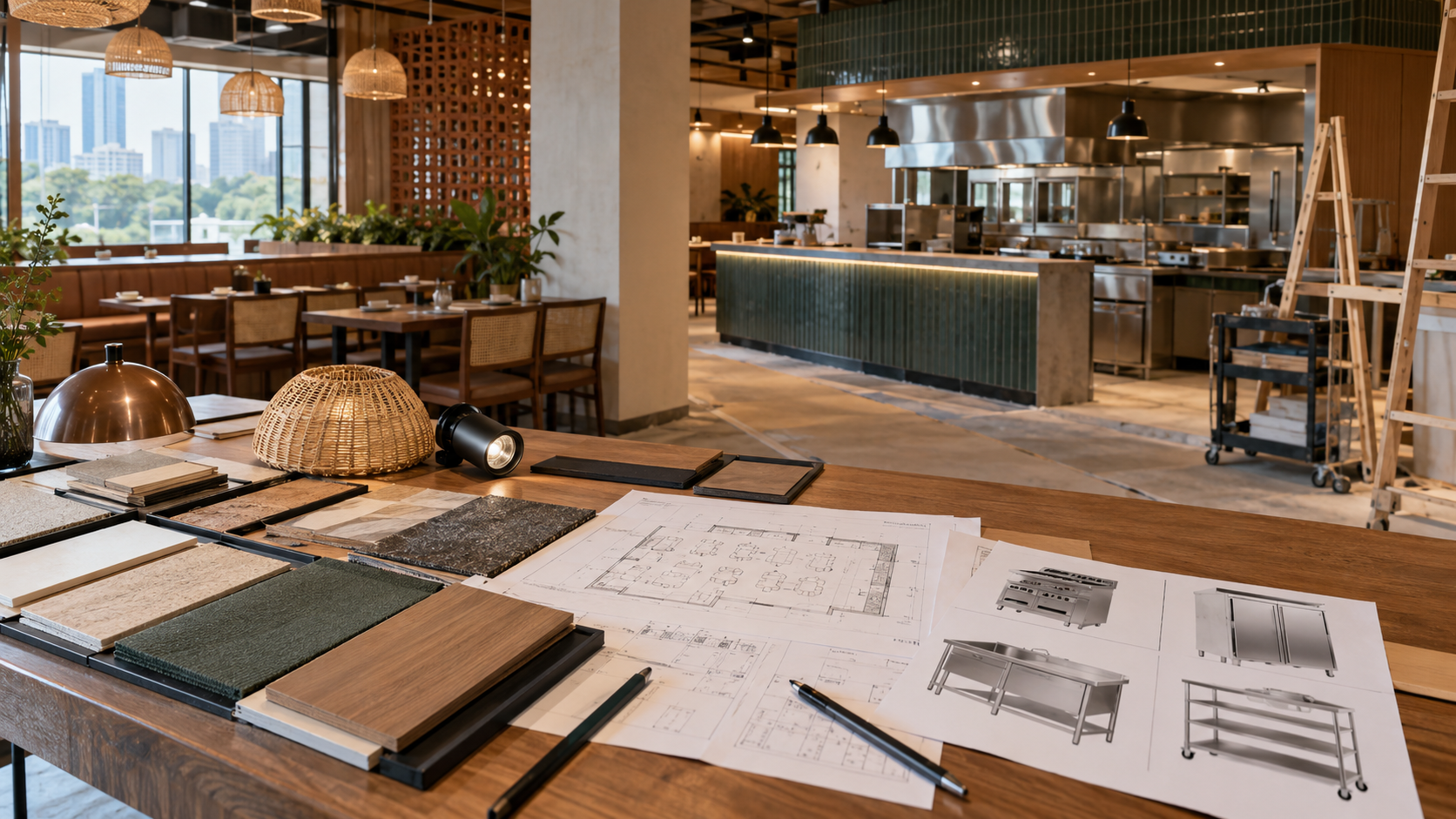
| Joinery and finishes | Counters, storage, surfaces and decorative elements | Are quantities and materials specified? |
| Equipment and loose items | Kitchen equipment, furniture and operating accessories | Who buys, installs and commissions each item? |
| Opening and external items | Items outside the fit-out contract | Which owner costs remain unpriced? |

2. Resolve expensive uncertainties early
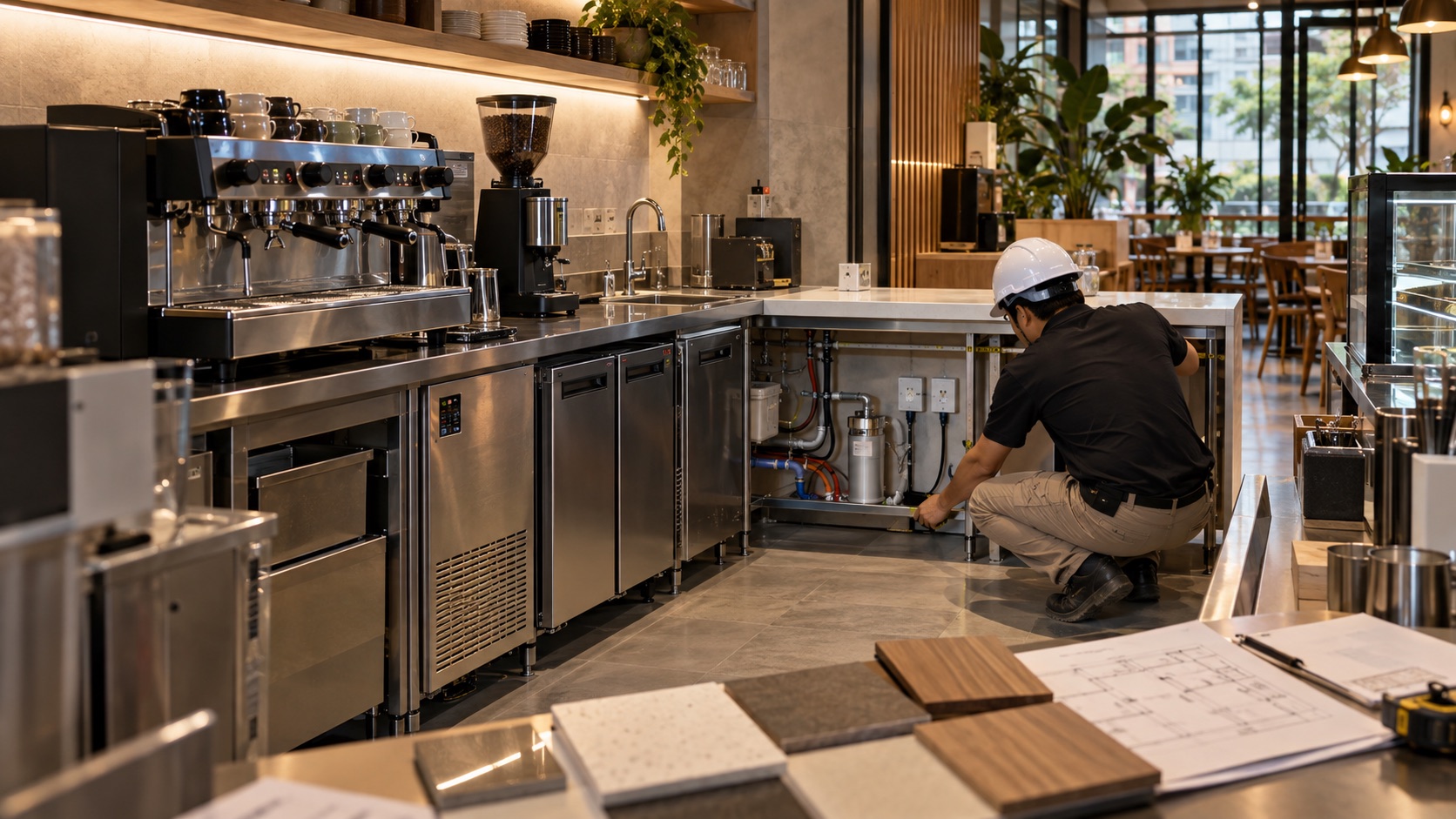
Prioritise information that can change the layout or technical scope. Examples include an unconfirmed exhaust route, equipment requirements, a proposed wet-area relocation or restrictions from building management. Ask the appropriate specialist to investigate and explain the implications.
A survey is valuable because it converts assumptions into decisions. However, it does not guarantee that every concealed condition will be visible. Keep the remaining assumptions written into the budget record, with an owner and the next step needed to resolve each one.
For electrical work, engage the appropriate qualified parties. The Energy Commission explains the competent-person framework. Selecting a cheaper allowance without understanding the required work does not remove that work from the project.
3. Protect the functions that make the outlet usable
When the first estimate exceeds the available budget, review scope with the designer and contractor. Ask what can be simplified without undermining the operating concept. A less complex decorative feature may be an option. Unresolved services or impractical maintenance access should not be disguised as savings.
Rank proposed items as essential for the agreed opening scope, valuable but adjustable, or suitable for a later phase. This is a project-specific decision, not a licence to defer safety or approval requirements. Record what a phased decision changes for the customer experience and future installation work.
4. Compare quotations on the same basis
Two totals are not comparable until the inclusions are aligned. Check quantities, specifications, owner-supplied items, installation responsibilities, exclusions and provisional allowances. Ask each contractor to respond to the same scope list and drawing revision.
Mark every item as included, excluded, provisional or unclear. Then ask for clarification in writing. The most useful question is not simply “Can you reduce the price?” It is “Which scope or specification changes produce that reduction, and what will the outlet lose or gain?”
Our cafe renovation quotation checklist helps organise that comparison. For a broader introduction, read restaurant renovation cost planning.
5. Keep a live forecast as decisions change
Use columns for original allowance, committed amount, approved changes and remaining uncommitted scope. Give each change a short explanation and date. If a revision affects both the counter and its services, record both impacts before approving it.
Set a project-specific reserve based on unresolved risks and discuss it with the project team. Avoid assuming that a standard percentage is correct for every unit. A reserve should have a reason and a release process, rather than becoming an untracked spending pool.
Frequently asked questions
Should I use cost per square foot?
It can be an early comparison tool if the scope is clearly defined. It cannot explain every difference in equipment, services, existing conditions or finishes. Use a detailed scope before making a commitment.
Are kitchen equipment and furniture always included?
No. Their treatment depends on the quotation. Identify who supplies, installs, connects and tests each item, including anything purchased directly by the owner.
What should I send APIO for a budget discussion?
Share the location, floor plan or site photos, menu, desired opening period and your total project budget boundary. Also identify whether that amount includes equipment and other opening costs.
Build a budget you can make decisions with
APIO’s first discussion can help turn a broad renovation ambition into a clearer brief. The objective is to understand the scope and trade-offs before committing to detailed finishes. Explore APIO Design and bring the information you already have.