
APIO JOURNAL · F&B DESIGN & BUILD · KLANG VALLEY
Pub lighting design should begin with how the venue changes during the day. Guests need a welcoming arrival and a comfortable table. Staff need to read orders, prepare drinks and clean properly. A single lighting setting is unlikely to support every task equally well.
For a Kuala Lumpur pub, bar or restaurant with an evening service, define the scenes before choosing decorative fittings. This creates a practical brief for the designer and the electrical team. It also helps you judge whether an attractive fitting contributes to the experience or simply adds another object to the ceiling.
Start with four scenes
Brief arrival and early service, evening atmosphere, staff working tasks, and cleaning or closing. For each scene, identify what people must see, what should feel prominent and which controls staff will use. Exact technical criteria need a project-specific lighting review.
1. Arrival: help guests understand the space
Think about the first view from the entrance. Can guests identify the host point, bar or place to wait? Is the transition from the street comfortable? A dramatic feature can be useful, but it should not make the route through the venue confusing.
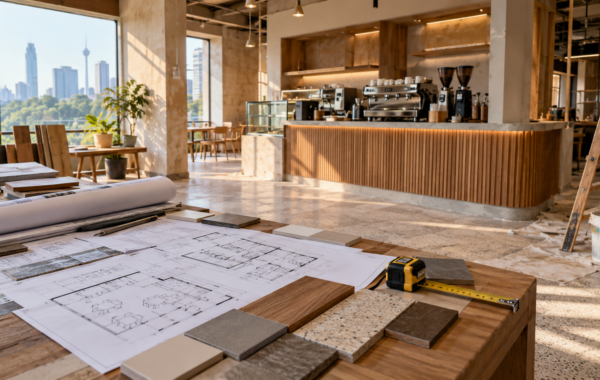
Review the entrance from both directions. Light visible through glazing contributes to the impression outside, while reflections may affect the view from inside. Note the surfaces and sightlines involved before deciding where a pendant or spotlight belongs.
2. Evening: build atmosphere in layers
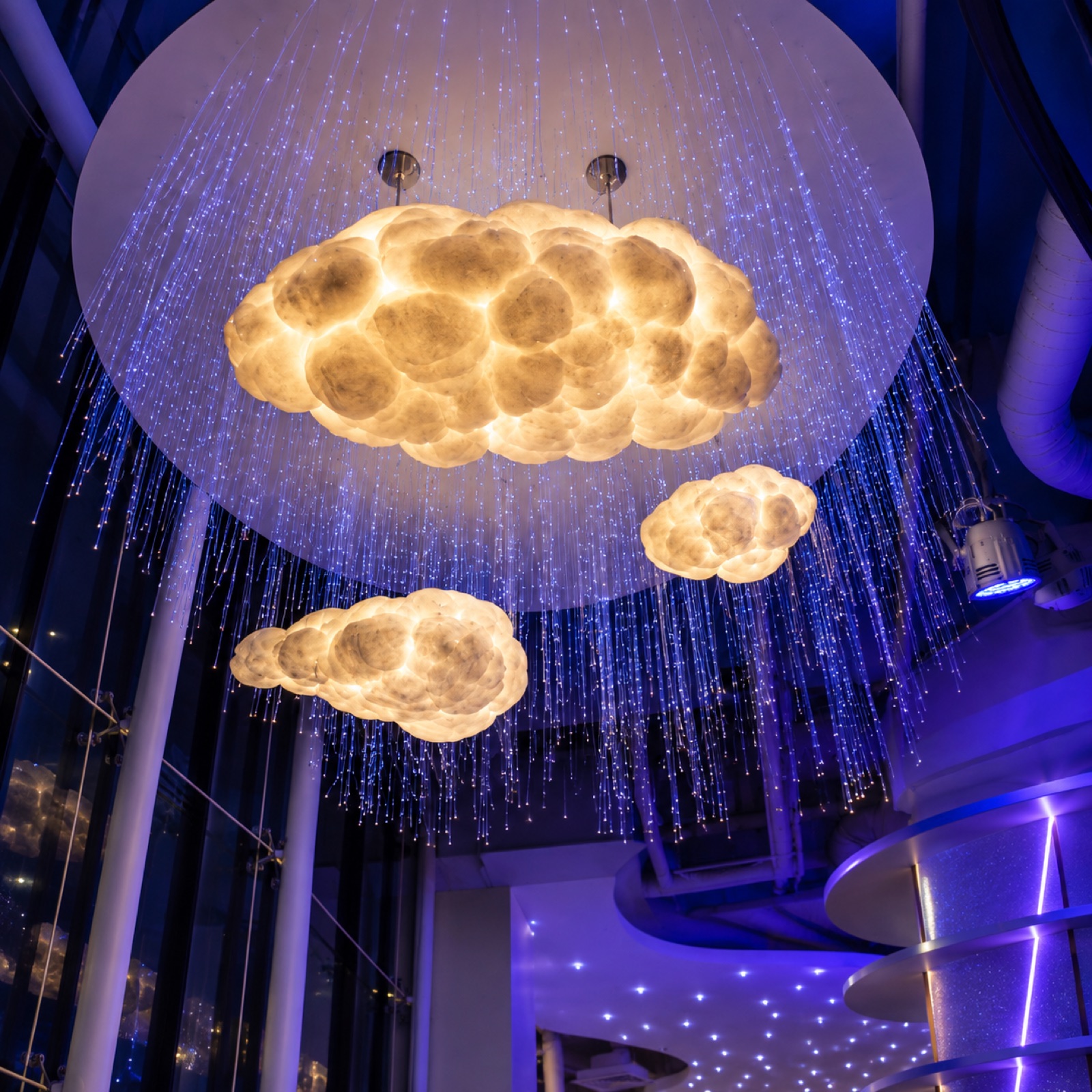
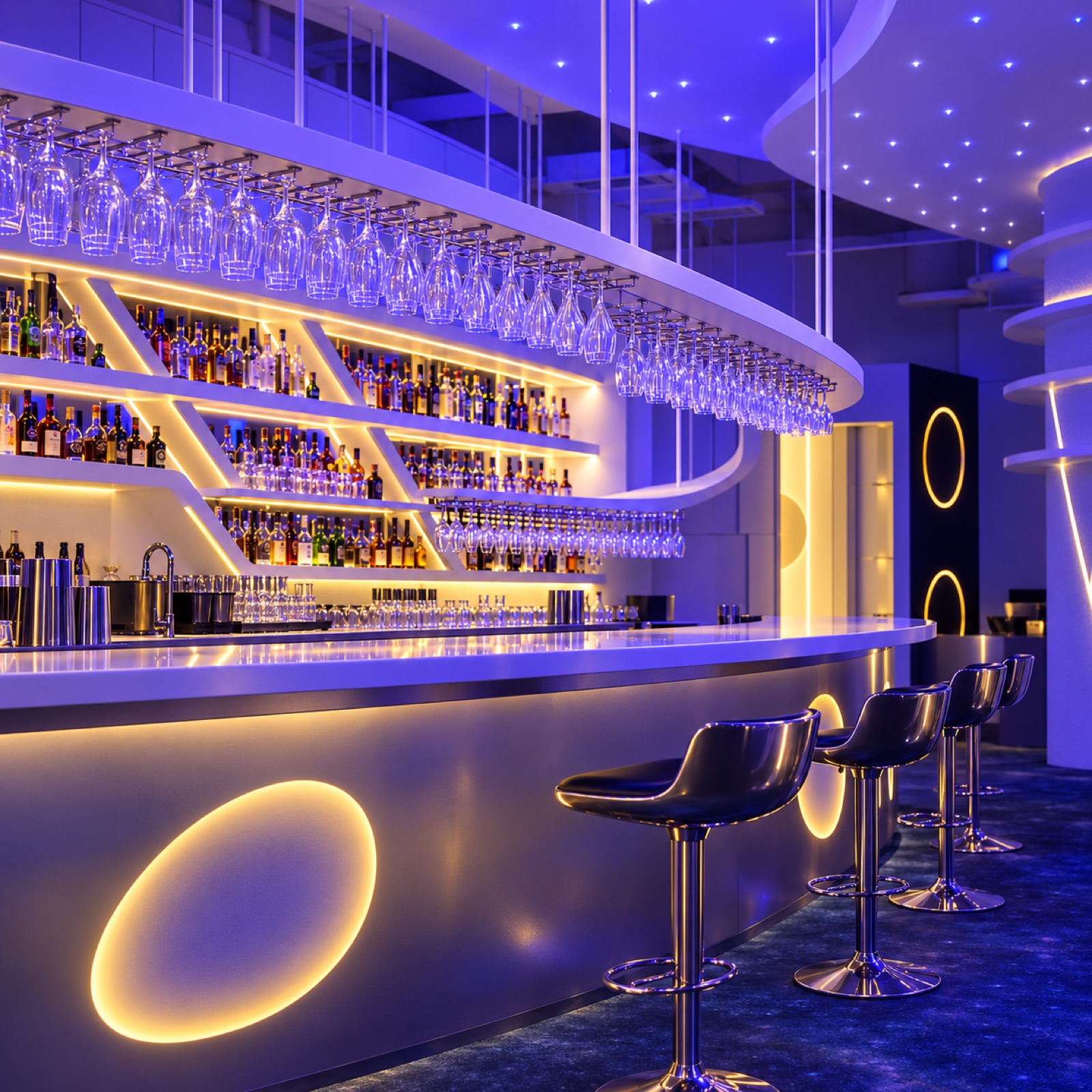
Atmosphere comes from relationships between areas, surfaces and tasks. Discuss general light, table or bar light, feature lighting and practical staff needs as separate layers. This allows the design team to adjust the experience without relying on one bright source or one very dark setting.
Ask what should draw attention: the bar back, a material texture, a table setting or a piece of art. Then check the view from actual seated positions. A fitting that looks comfortable when you stand may produce glare when you sit beneath it.
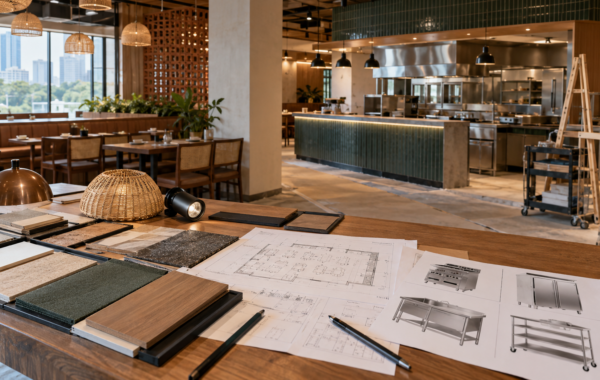
Use a small sample or mock-up where practical. Review it with the intended finishes and furniture, because the surrounding materials affect the result. Avoid approving an entire package from catalogue images alone.
3. Staff tasks: make the working brief explicit
A bartender needs to read labels, use controls and handle glassware. A server needs to identify orders and move through the room. Cleaning staff need to inspect surfaces. Make those tasks part of the pub lighting design brief instead of asking staff to compensate with temporary lights later.
Agree which tasks require their own controlled layer and who can operate it. The right arrangement depends on the layout, equipment and operating routine. Keep emergency and life-safety lighting requirements within the relevant professional design and approval process; decorative scene-setting is not a substitute.
| Scene | Operational question | What to review on site |
|---|---|---|
| Arrival / early service | Can guests orient themselves and find a place to wait? | Entrance, host point and transition from outdoors |
| Evening atmosphere | What should stand out without uncomfortable glare? | Seated views, tables, bar and feature surfaces |
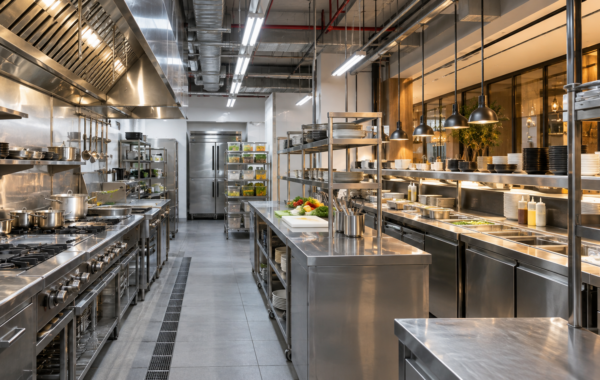
| Staff tasks | Can staff read, prepare and serve comfortably? | Work surfaces, labels, controls and service routes |
| Cleaning / closing | Can the team inspect and clean the full area? | Floors, corners, worktops and accessible controls |
4. Controls: design something the team will actually use
A complicated control panel can undermine a good lighting plan. Describe the normal operating sequence in plain language: opening preparation, early guests, evening service and closing. Then ask the design team how the controls will support that sequence.
Label the settings and keep a simple reference sheet for the outlet manager. Check how the system behaves after power is restored and how staff can return to an agreed scene. Confirm compatibility between the selected lamps, drivers, dimmers and control equipment with the responsible suppliers and electrical professionals.
Electrical work should be handled by the appropriate qualified parties. Refer to the Energy Commission’s competent-person guidance when confirming responsibilities. Do not experiment with live wiring to solve a dimming or flicker problem.
5. Review maintenance before final selection
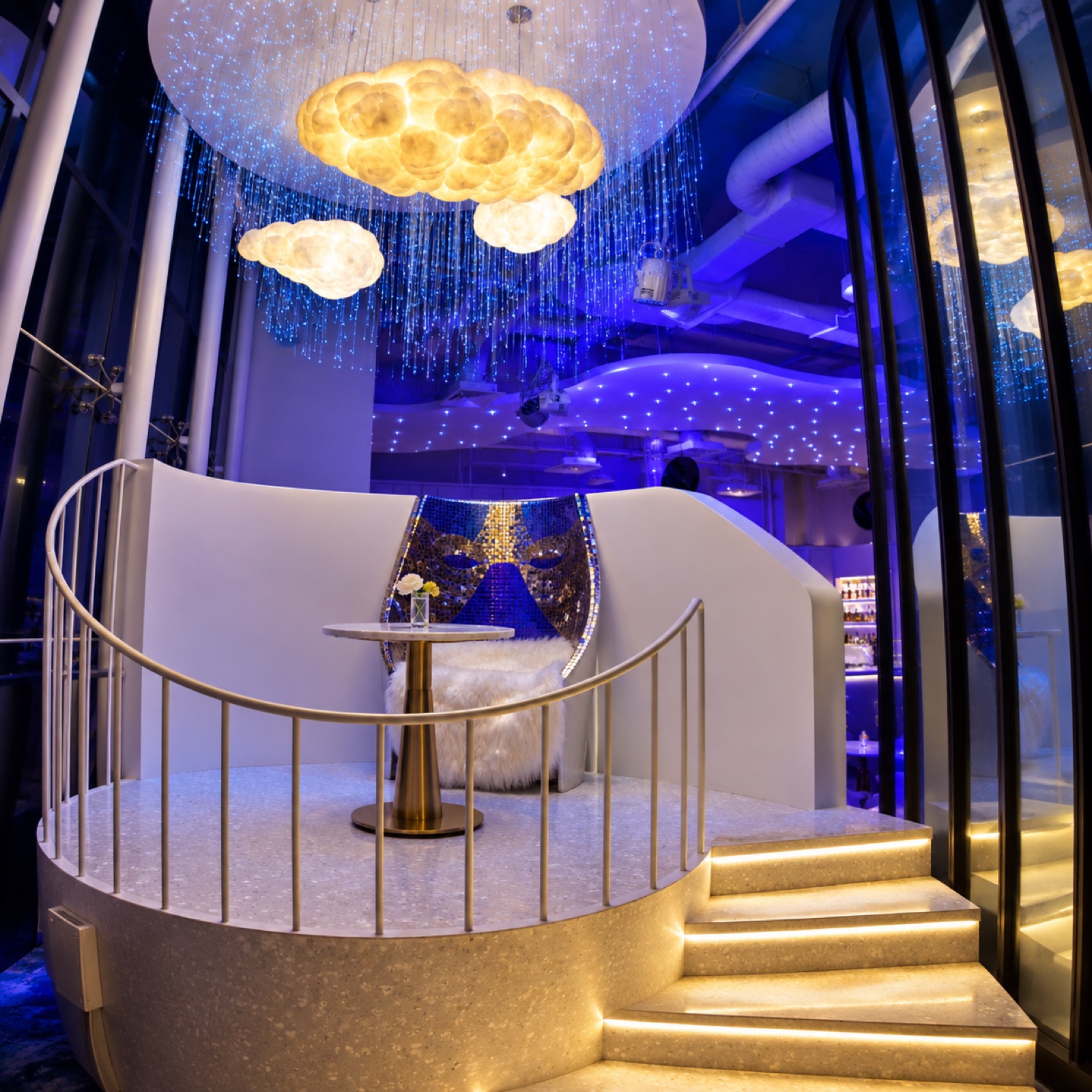
Ask how a lamp or driver will be replaced and whether the required access is practical. A hidden fitting may create a clean appearance while making maintenance awkward. Record the product references and supplier information in the handover pack.
Also test the settings with the actual opening team. Ask them to demonstrate a scene change and explain which controls affect each area. This is a better handover test than receiving an unlabeled photograph of the switch panel.
Lighting should support the wider interior concept. Our guide to restaurant interior styles, brand and operations explores why visual decisions work best when they relate to the business.
Frequently asked questions
Should every area have the same brightness?
Not necessarily. Different zones serve different tasks and experiences. The important point is to plan those differences deliberately and review them in use.
Can I choose decorative fittings first?
You can collect references, but confirm the scene, location, controls and technical suitability before committing to purchases. The fitting is one part of the lighting system.
What should I bring to a pub lighting discussion?
Bring the layout, operating hours, material references and examples of the atmosphere you want. Add a list of staff tasks and any existing lighting problems that need solving.
Build the lighting brief around your venue
Share those inputs with APIO Design before the fitting schedule is finalised. A clear scene brief gives the design and technical teams a shared starting point, while leaving room to test the result in the actual space.