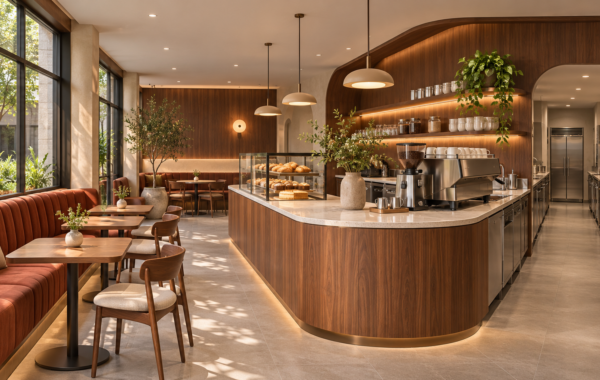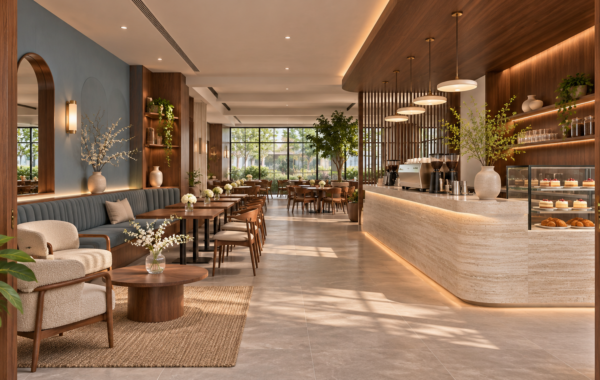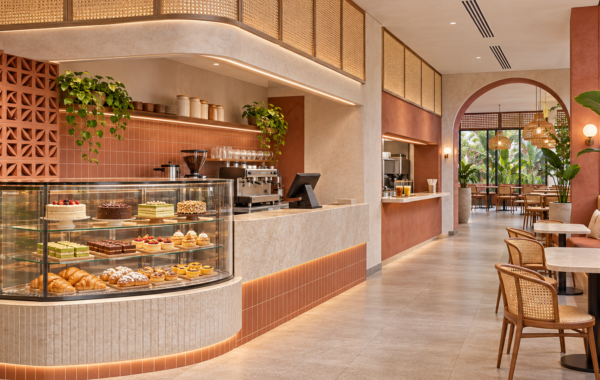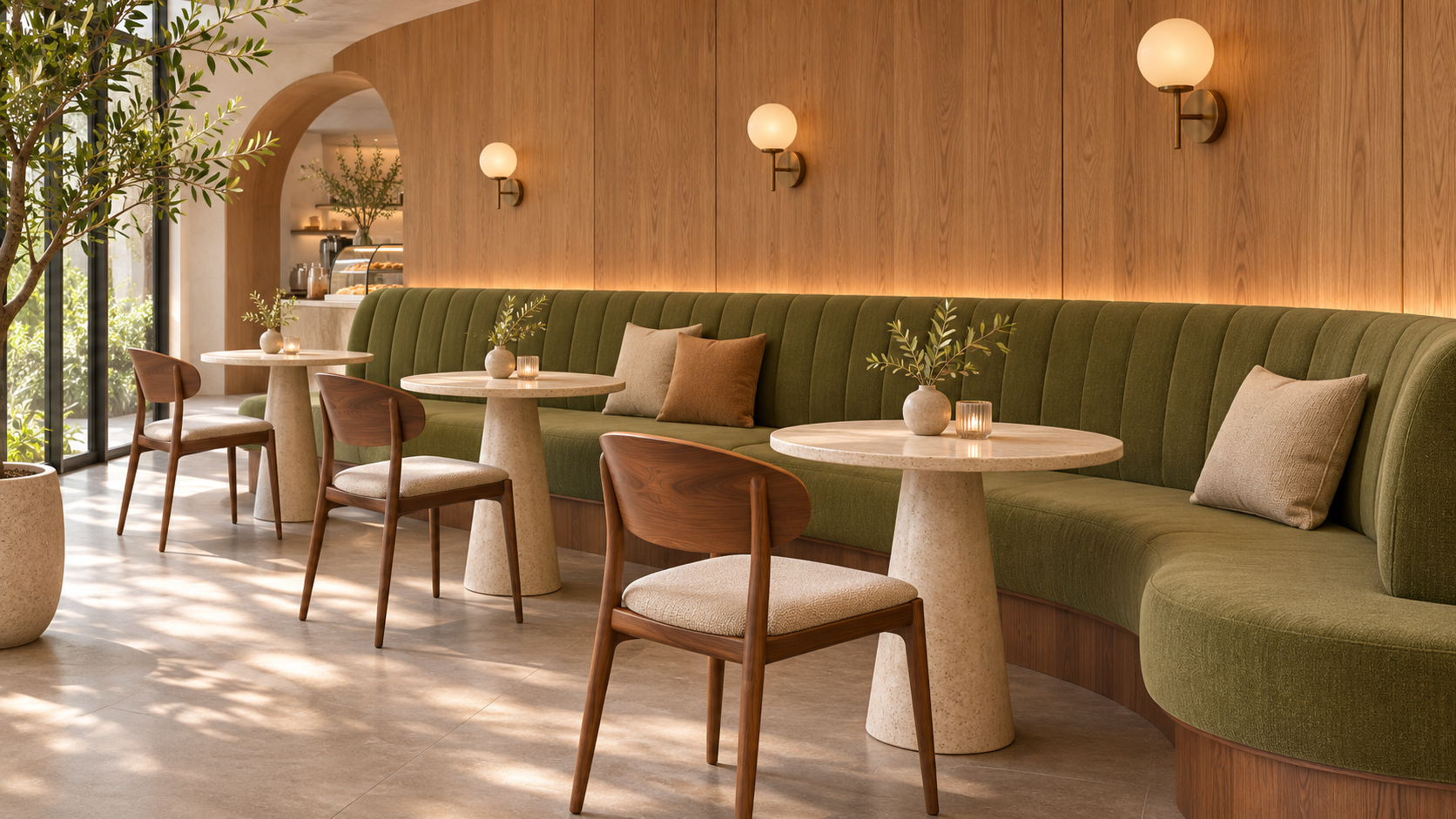

A cafe banquette can look inviting in a rendering yet feel awkward when the selected table arrives. The seat, cushion, backrest, tabletop and base work as one arrangement. Review them together during cafe interior design, before approving custom joinery or placing repeat furniture orders.
For a Selangor cafe, begin with how guests will use the seating: a quick drink, a full meal, a shared dessert or a longer conversation. The aim is a comfortable, workable pairing for the intended visit. Avoid treating a single dimension or a stylish reference image as proof that the complete arrangement will suit your customers.
Describe the dining task before choosing the profile
List the activities the seat must support. Guests may lean forward to eat, sit back to talk, reach a shared dish or stand to let another person out. Include the plates, cups and trays the cafe plans to use. These tasks give the designer and furniture supplier a more useful brief than a request for a deep or luxurious-looking seat.
Decide where banquettes fit within the wider seating offer. Discuss different guest needs and accessible seating arrangements with the design team. A fixed booth does not need to be the only option. Keep the project-specific access and compliance review separate from a general comfort trial.
Pair the finished seat with the actual table
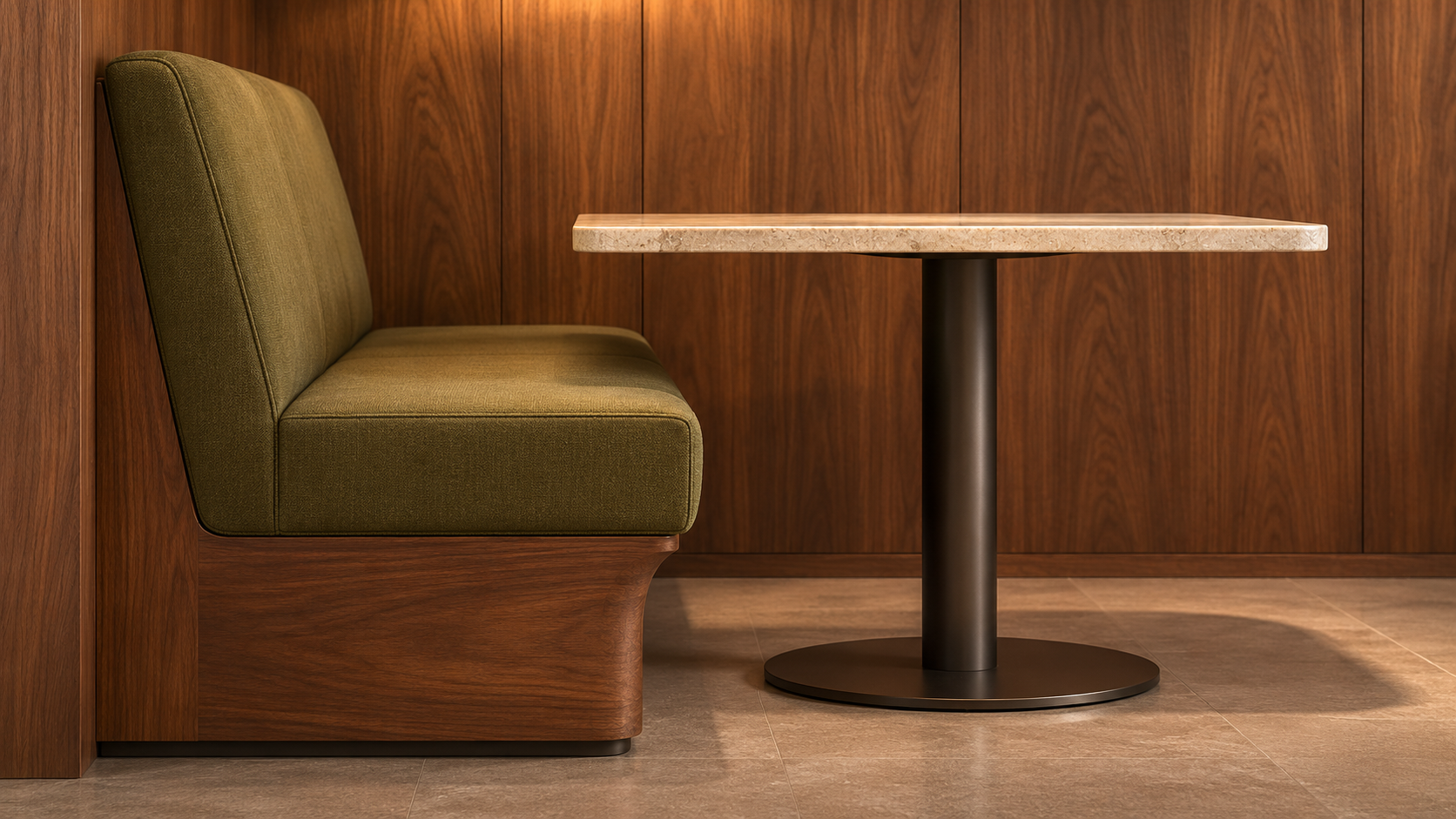
Review the finished seat height and usable depth together with the table height, underside and edge. Include the proposed cushion rather than judging only the bare joinery base. Ask the fabricator how the sample relates to the final construction, including its support and upholstery build-up.
The Herman Miller dining furniture guide discusses the relationship between chair seats, tabletops and table aprons. It is general furniture guidance, not a specification for your custom banquette. Use the principle of checking the complete pairing, then agree the project dimensions with the designer and suppliers.
Make a sample arrangement you can sit in
Ask for a suitable sample or full-size mock-up of the critical seat-and-table relationship. Use the intended table where available, or a clearly identified representation that includes its underside and base. Record what the mock-up does not yet represent, such as the final cushion construction, so those gaps remain visible.
Invite more than one person to try the arrangement and describe specific observations. Can they place their feet comfortably, reach the table and change position? Does the table edge press awkwardly when they sit close enough to eat? A trial provides design feedback, not a medical assessment.
| Review point | Practical trial | Record before approval |
|---|---|---|
| Seat and table | Sit with the intended plate and cup | Finished seat and tabletop relationship |
| Backrest and depth | Eat, then sit back to talk | Observed support and reach |
| Table base | Move feet and approach the seat | Base position and any interference |
| Entry and exit | Use the end position and inner seat | How guests get in and out |
| Cushion sample | Compare sample with final specification | Approved construction and outstanding details |
Check knees, feet and the table support
Look below the tabletop. An apron, pedestal or cross-member can affect the usable space even when the overall table height seems appropriate. Check the intended seat positions around the base rather than considering only the table’s plan shape. Ask the supplier to confirm the complete dimensions of the selected version.
Test the table in its proposed position against the banquette. Moving it slightly may change reach, access or stability, so record the agreed relationship instead of leaving installation to guesswork. Table support and fixing details require the supplier’s and designer’s review; do not improvise a structural alteration to solve a seating issue.
Try entry, exit and serving with people in place
With someone seated, ask another person to use the adjacent place and then leave. Check the inner seat as well as the easy end position. Include loose chairs opposite the banquette where proposed. The arrangement should be reviewed in its normal occupied condition, not only as empty furniture on a plan.
Walk through placing and clearing the actual tableware with the operator. Note where staff must reach across guests or move a table. Connect the observations to the cafe service-flow plan. Keep this review focused on the seat and table interface rather than adding seats simply because a drawing has space.
Approve the upholstery and furniture as a set
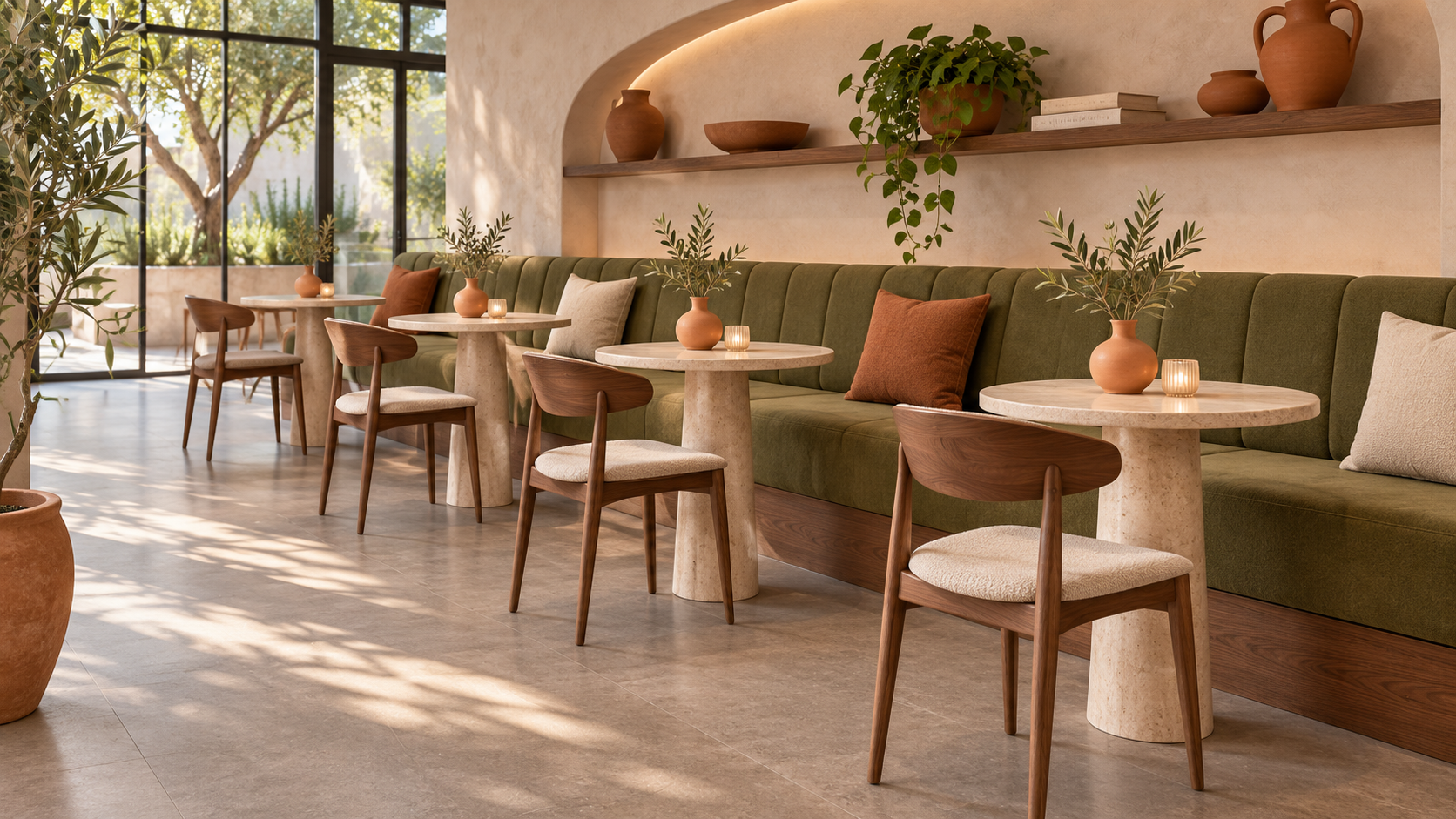
Confirm the upholstery sample, cushion construction, backrest shape, table model, base and relevant dimensions together. Ask what may vary in manufacture and which features need to be checked on delivery. Record the approved sample and the person responsible for resolving a proposed substitution.
A replacement table or cushion can change the pairing. If availability forces a change, revisit the affected relationship instead of approving the item by colour alone. Include care information in the review; the cafe finishes guide covers practical questions to ask about materials and daily cleaning.
Repeat the seating trial before opening
Once installed, compare the finished arrangement with the approved sample and record any differences. Sit in representative positions with the tables set as they will be used. Confirm that the team knows the intended table positions and which items are fixed or movable. Resolve outstanding issues with the responsible supplier or contractor.
Retain a simple furniture record with the approved dimensions, product references, sample decisions and installation photographs. This gives later repairs or replacement orders a useful starting point. Keep comfort decisions connected to service, access and the overall cafe design.
Frequently asked questions
Is there one correct banquette size for every cafe?
No. Agree the finished seat, backrest and table relationship for the intended use, then test a representative arrangement with the design team.
Can I approve the banquette before selecting the table?
Choose the pairing together where possible. If the table is unresolved, record the necessary dimensions and checks before releasing the fixed joinery.
Should the test include the final cushion?
Use a representative cushion and identify any differences from the final construction. Recheck the finished arrangement after installation.
Discuss your cafe project with APIO
Share your premises, menu, project stage and priorities through the APIO project planner. Tell us which design decisions are still open so the first discussion can focus on the scope your outlet actually needs.