
Restaurant renovation programmes can look similar until you ask what each date depends on. One contractor may show an early completion date but assume that every drawing, material and equipment choice is already confirmed. Another may include decision time and supplier coordination. For a first-time Selangor owner, comparing the assumptions is more useful than comparing the last date alone.
Request a programme that explains the sequence, the owner’s decisions and the handoffs between trades. There is no universal number of weeks that suits every F&B premises. The scope, existing conditions, access arrangements and actual supply information need to shape the plan.
Give contractors the same starting information
Compare proposals against the same layout, scope and intended operating brief. State which items you will buy directly and which information is still provisional. If one team has priced a confirmed kitchen arrangement and another has only seen a mood board, their programmes describe different projects.
Ask each contractor to list exclusions and assumptions beside the programme. Include when site access becomes available, what site information has been checked, and which decisions must be resolved before fabrication or installation. Record unknowns openly instead of allowing them to disappear behind a confident opening date.
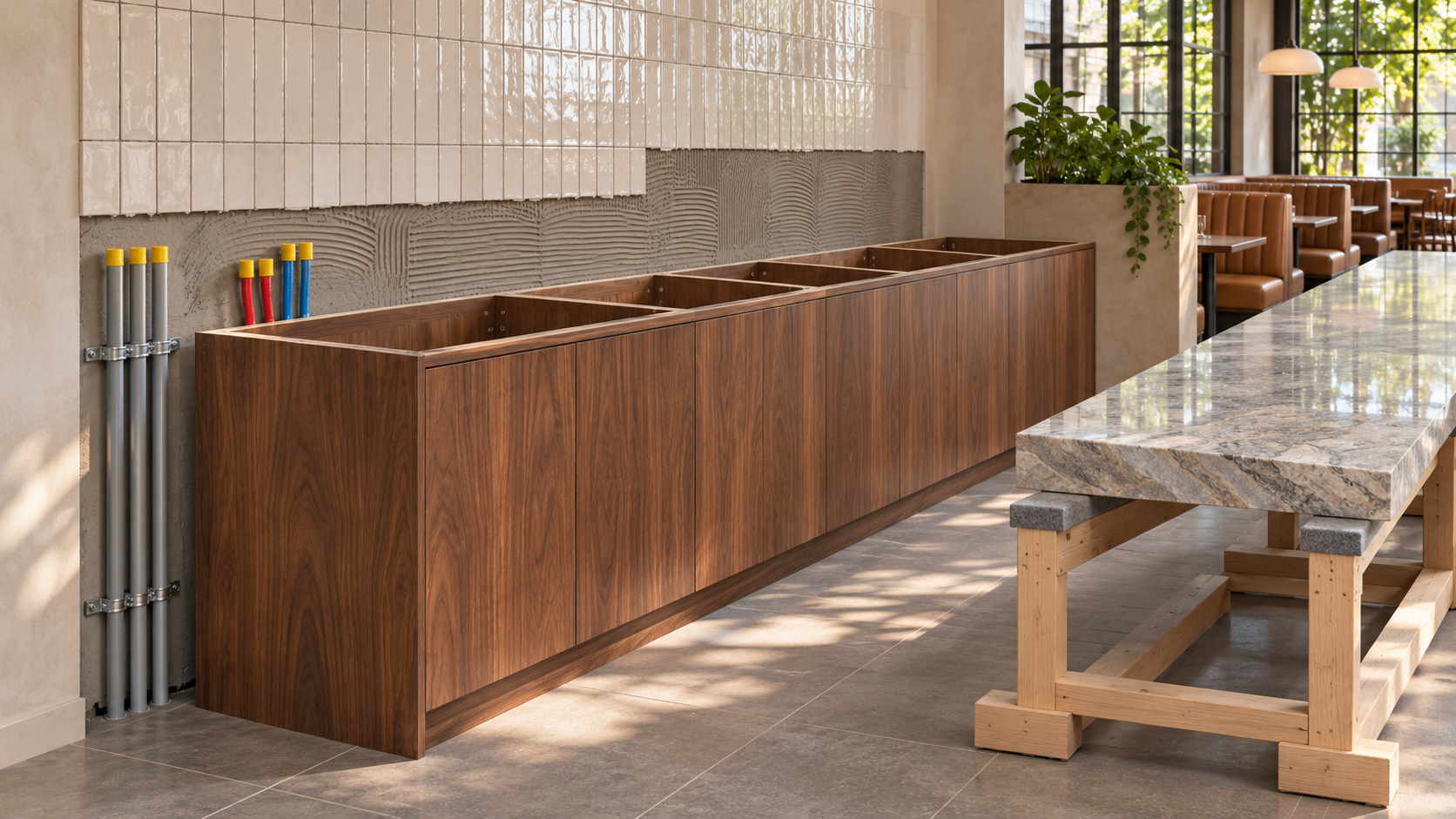
Ask what must happen before the next task can start
A dependency is simply something that must be ready before another activity can proceed. A joinery team may need confirmed dimensions and equipment information before releasing fabrication. Equipment connection may depend on the appropriate services being completed and checked. Ask the responsible contractor or specialist to confirm the actual sequence for your premises.
The UK HSE’s construction planning guidance discusses using site information, coordinating trades, planning deliveries and considering access. These are useful planning prompts; the page describes a UK framework and does not establish Malaysian approval requirements. Have your local project team confirm the arrangements applicable to your outlet.
| Programme question | Evidence to request | Owner action |
|---|---|---|
| What starts the clock? | Stated start conditions and access assumptions | Confirm when the premises and decisions are available |
| What needs early selection? | Decision dates linked to orders or fabrication | Assign a decision-maker and response date |
| Which supplier dates are confirmed? | Written lead-time information and its basis | Separate a quotation estimate from an accepted order |
| Who coordinates the handoff? | Named responsibility for each trade interface | Resolve owner-supplied items before work begins |
| What follows physical completion? | Testing, demonstrations, defects and handover activities | Allow for operational preparation as well as building work |
Put owner decisions on the programme
Owners often see a programme as a contractor’s list. It should also show the choices that the business must make. Equipment models, finishes, signage information and operating priorities can affect later work. Ask what happens if a decision arrives after its required date.
Choose a realistic review routine. Consolidate comments through one authorised person, distinguish questions from approvals, and keep the current decision record accessible. If several partners must agree, allow time for that discussion before the contractor’s deadline. Do not assume an unanswered sample or drawing will resolve itself.
For budgeting context, review the restaurant renovation cost guide alongside the programme. An earlier selection can affect procurement planning, but it does not automatically mean an item should be purchased before its suitability is confirmed.
Compare overlap, access and delivery assumptions
Two tasks appearing in the same week does not prove they can run together. Ask how the team will manage working space, access and protection of finished work. In a compact shoplot, a delivery route and an active work area may compete for the same space. Let the responsible team explain its sequence and controls.
Ask suppliers for the information needed to plan delivery and installation, including the exact item and any prerequisites. Check whether the programme allows for the owner’s direct suppliers. A kitchen item arriving on time still needs a coordinated route into the unit and the right people available to receive it.
Avoid forcing every uncertain activity into a fixed date. Record the assumption, the person responsible for checking it and the decision deadline. A programme with visible uncertainty is easier to manage than one that hides it until a task cannot start.
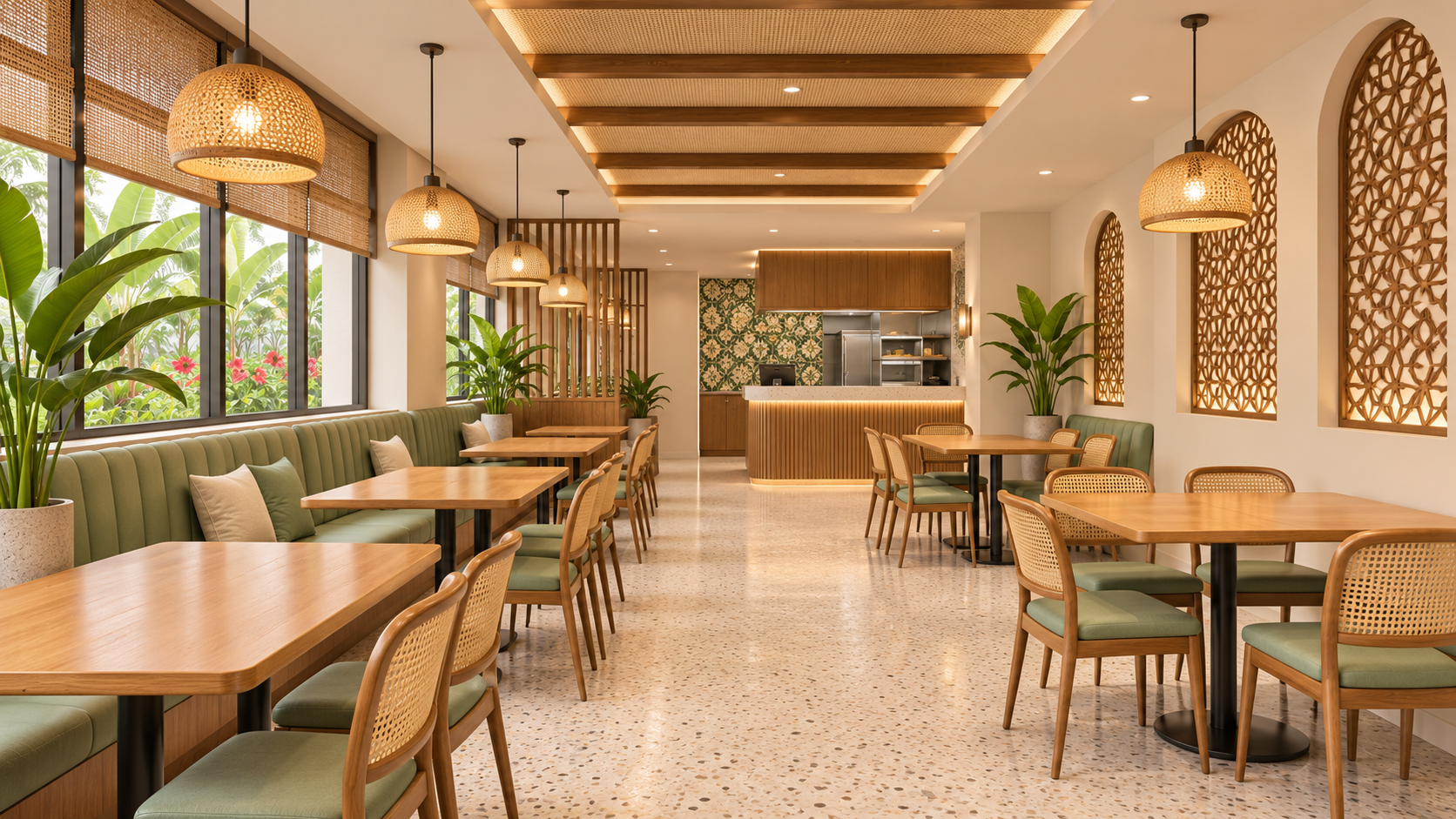
Agree how progress and changes will be reported
At each review, compare planned and actual progress, then focus on the next decisions and constraints. Ask which activity is affecting the completion forecast and what action is proposed. A percentage alone may not explain why the outlet cannot move to its next stage.
Keep the original agreed programme and dated updates. When a change affects sequence or completion, record the reason and follow the agreed contractual process. Finish with a handover plan covering demonstrations, documents and unresolved defects. Your staffing, stock and launch preparation need their own schedule connected to the construction milestones.
Frequently asked questions
Should I choose the shortest programme?
Compare its scope and assumptions first. Ask how the proposed sequence works, which inputs are confirmed and what remains dependent on owner or supplier decisions.
Can a contractor guarantee my opening date?
Discuss commitments under the proposed contract and distinguish construction completion from operational opening. Permissions, staffing, equipment readiness and other launch activities need their own confirmation.
How often should we review progress?
Agree a review frequency suitable for the project and increase attention around critical decisions and handoffs. Each review should leave named actions and dates, rather than only a general progress statement.
Plan your F&B project with APIO
Share your premises, menu and the decisions you need to resolve through the APIO project planner. For a restaurant, cafe or pub in Selangor, bring the current layout and your operational priorities so the discussion can focus on a useful design-and-build brief. You can also use the existing enquiry form below.