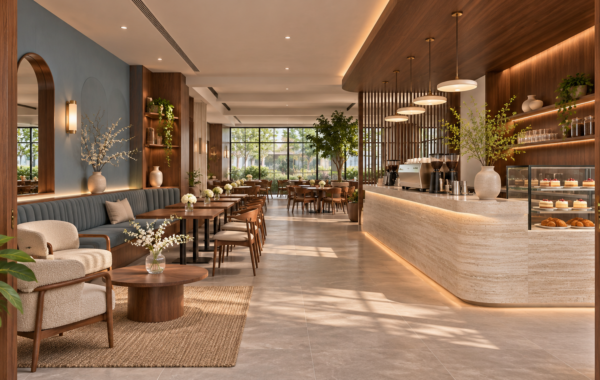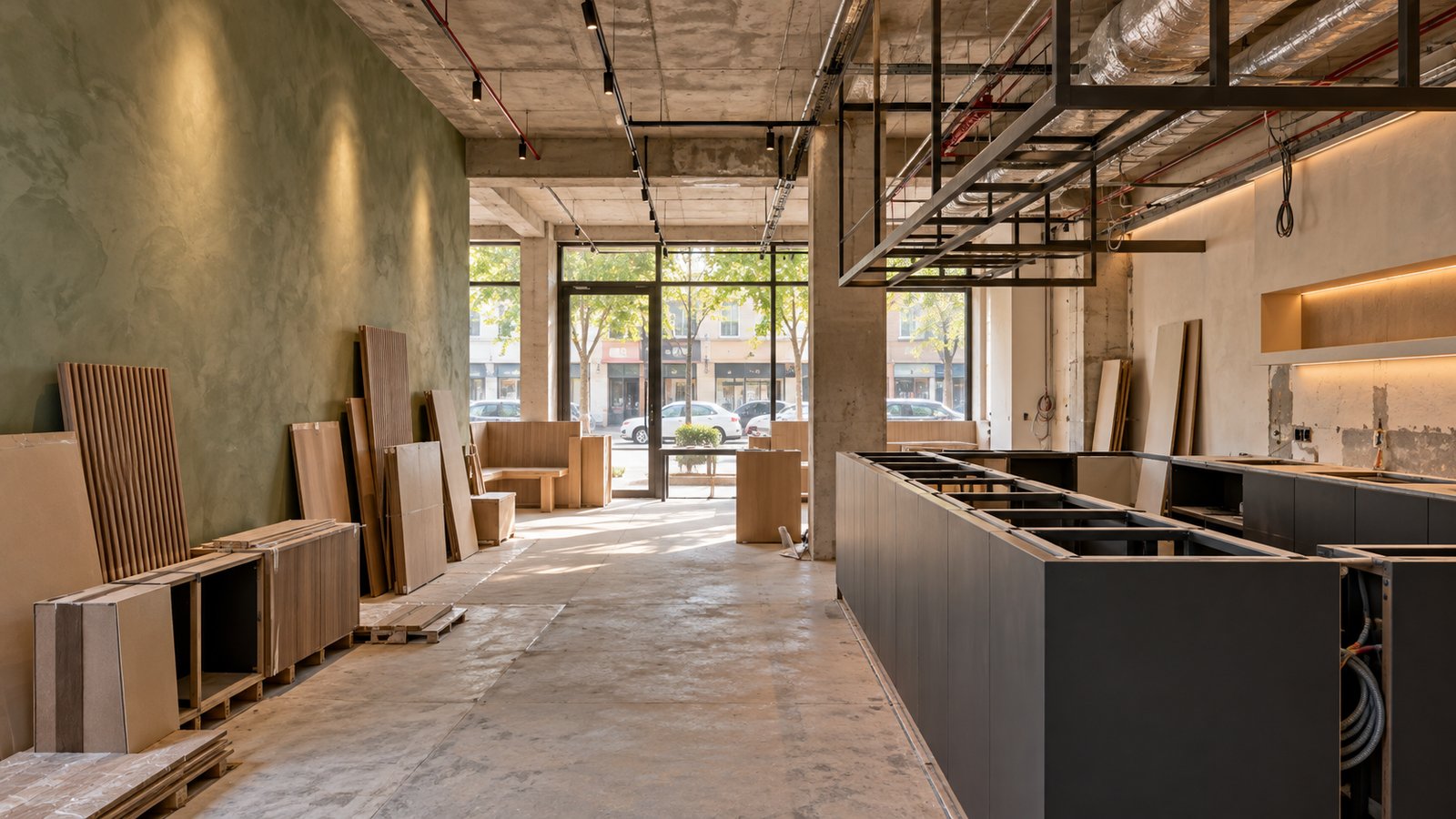

Restaurant renovation scope changes should be reviewed against the work already agreed. A request for extra work may involve a new owner preference, a revised equipment model or a condition discovered on site. Before deciding, establish what changed and how the proposal affects the rest of the project.
For a first-time restaurant owner in Selangor, a clear review record is more useful than approving a short message that simply says “additional work”. This guide explains a practical information checklist. It does not decide contractual entitlement or replace advice from the people administering your project agreement.
Start with the agreed baseline
Gather the relevant quotation, scope description, drawing revision and exclusions. Ask the team to point to the original item and explain the proposed difference. If the work is missing from one document but appears in another, record that discrepancy for clarification instead of assuming it is automatically an extra.
Keep the comparison specific. “Move the service counter” may involve joinery, equipment placement and services. Ask for the affected drawings and responsibilities so the owner can understand what is being changed, rather than approving only the visible part of the request.
Classify the reason for the change
Use a simple description: owner-requested revision, supplier substitution, site discovery, coordination issue or another stated reason. The category helps organise the review; it does not by itself determine who is responsible for the cost. Keep the evidence supporting the explanation with the request.
The RIBA Plan of Work 2020 describes change control after the agreed concept and brief, distinguishing functional changes from continuing design development. That is a general process reference. Apply the review and instruction procedure agreed for your own project.
| Check | Information to request | Decision to record |
|---|---|---|
| Original scope | Relevant quotation item and drawing revision | What was previously agreed? |
| Proposed work | Description, marked drawing and quantities where relevant | What exactly changes? |
| Reason | Site photographs, supplier information or owner request | Why is it proposed? |
| Commercial effect | Itemised proposal and any omitted-work credit | What amount is being considered? |
| Time effect | Affected activities, dependencies and stated assumptions | What changes in the programme? |
| Authority to proceed | Named reviewer and agreed instruction route | Who can authorise the next step? |
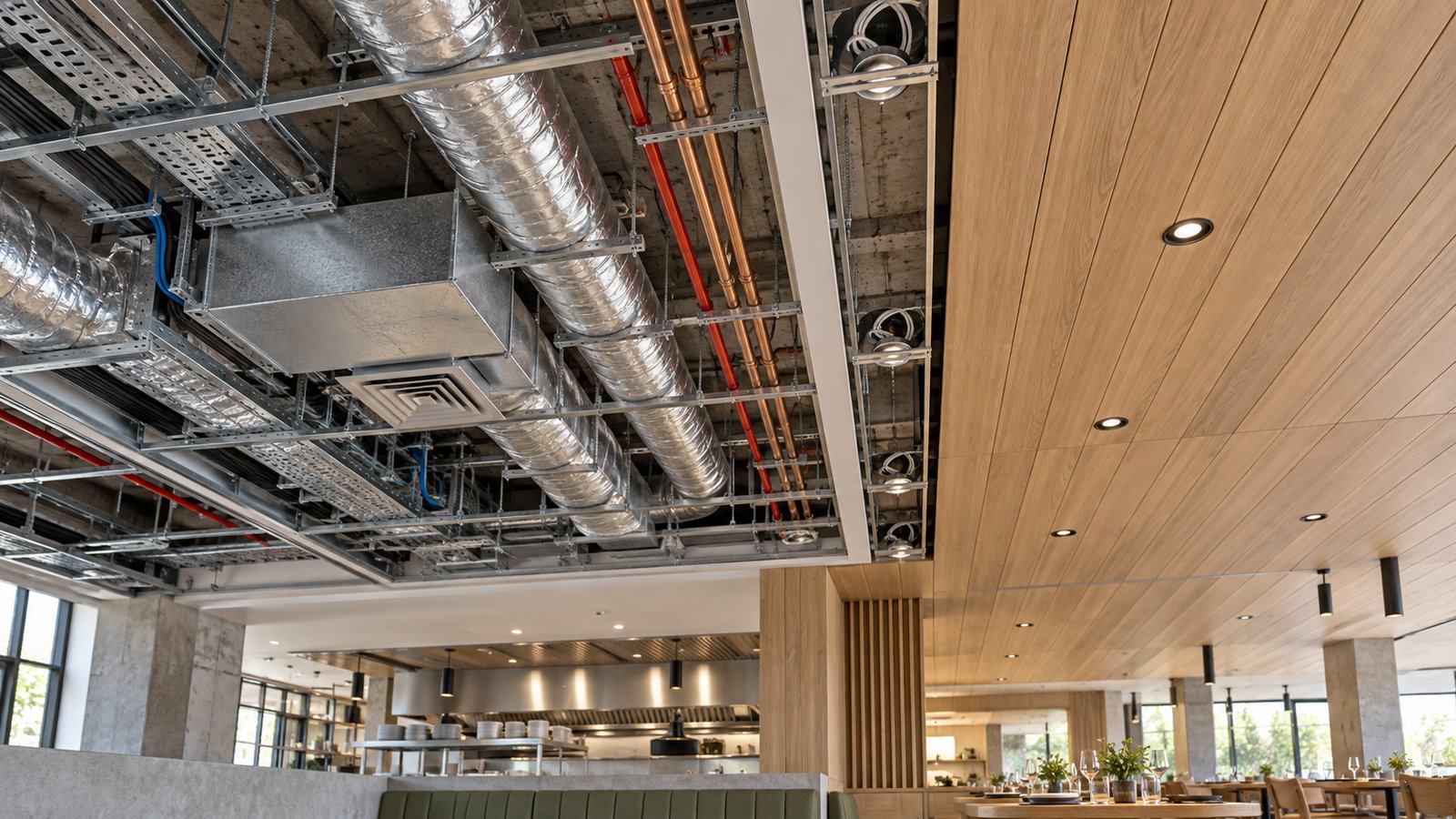
Compare the complete effect, including omissions
Ask the team to identify new work, work no longer required and work already completed that would need alteration. Keep those elements visible in the proposal. A net figure without an explanation can conceal important differences in the scope being reviewed.
Review owner-supplied items and separate suppliers as well. A changed appliance may affect the counter or connection work even if the appliance purchase itself is outside the renovation quotation. Have the responsible parties identify the interfaces before the owner decides.
Ask about sequence, not only a new finish date
A proposed change may depend on revised drawings, supplier confirmation, delivery or another trade’s work. Ask which activities are affected and whether any decision is time-sensitive. Record the assumptions behind the stated programme effect instead of treating an unsupported date as a commitment.
If part of the project can continue independently, have the team identify that boundary. Do not issue a general instruction to continue when the unresolved change affects work about to be concealed or fabricated. The project lead should explain the safe and practical next step for the actual site.

Consider options before choosing the response
Request a clear explanation of feasible alternatives. These might include retaining the agreed design, accepting a revised detail or deferring an optional item. Compare the scope, operational effect and stated timing for each option. Do not assume a cheaper-looking finish is equivalent without checking its intended use and maintenance needs.
For a site discovery, separate the investigation from the proposed remedy. Ask what has been observed, what remains uncertain and who should assess it. Photographs help document the issue, but they do not replace specialist assessment where technical conditions are involved.
Close the record after the decision
Record acceptance, rejection or a request for more information using the project’s agreed communication route. Link the decision to the exact proposal and revision. Ask the responsible team to update affected drawings, scope summaries and the running change log so later quotations do not use outdated information.
At the next progress review, check whether the decision has been reflected in the work and records. Keep an unresolved-item list rather than assuming every discussed request has been authorised. Refer disputed responsibility or contractual questions to the appropriate adviser.
Owner’s review checklist
- Locate the original scope and relevant revision.
- Understand the reason and supporting evidence.
- Check additions, omissions and affected interfaces.
- Review itemised commercial and programme effects.
- Compare any practical alternatives.
- Record the authorised decision and update the project documents.
Use APIO’s restaurant renovation budget guide to organise the original scope. A clearer starting brief makes later changes easier to describe and review.
Frequently asked questions
Is every site discovery an extra cost?
The discovery alone does not settle responsibility. Review the agreed documents, the evidence and the applicable project procedure with the team. Obtain advice if there is a disagreement about entitlement or obligations.
Can a chat message be the only record?
Keep a consolidated change log linked to the relevant documents, even when discussions happen in chat. Follow the communication and authorisation process agreed for the project.
Should I approve a change immediately to avoid delay?
First ask what information is needed, which activities are affected and when a decision is genuinely required. Make the decision through the agreed process with the scope and implications clearly recorded.
Plan your Selangor F&B project with APIO
Share your location, menu, existing plan, photographs and intended opening window through the APIO project planner. Include the decisions still unresolved so the first discussion can focus on the design and renovation scope your business needs.