
APIO JOURNAL · F&B DESIGN & BUILD · KLANG VALLEY
A cafe renovation timeline should connect design decisions, applicable permissions, procurement, site work and operational readiness. Start from the intended opening date and work backwards through those dependencies. Do not assume that the construction period alone tells you when the business will be ready.
The right programme depends on the premises and scope. A light refresh is different from a shoplot conversion with new services and custom joinery. Rather than promise a universal number of weeks, ask the project team to show what each stage needs before it can start.
What belongs in the timeline?
Include site verification, scope approval, required submissions, long-lead orders, installation, testing, defect correction and staff preparation. Give each milestone an owner and a clear definition of completion.
1. Define the opening you are planning for
Distinguish physical handover, staff training, a controlled trial service and public opening. They may be related, but they are not interchangeable. An outlet can look complete while equipment demonstrations, defects or operating preparations remain unfinished.
Agree what must be ready for each milestone. For example, a photography session requires a different set of conditions from a full service. Make those differences explicit so an attractive launch date does not quietly become a construction commitment.
2. Build the cafe renovation timeline around decision gates
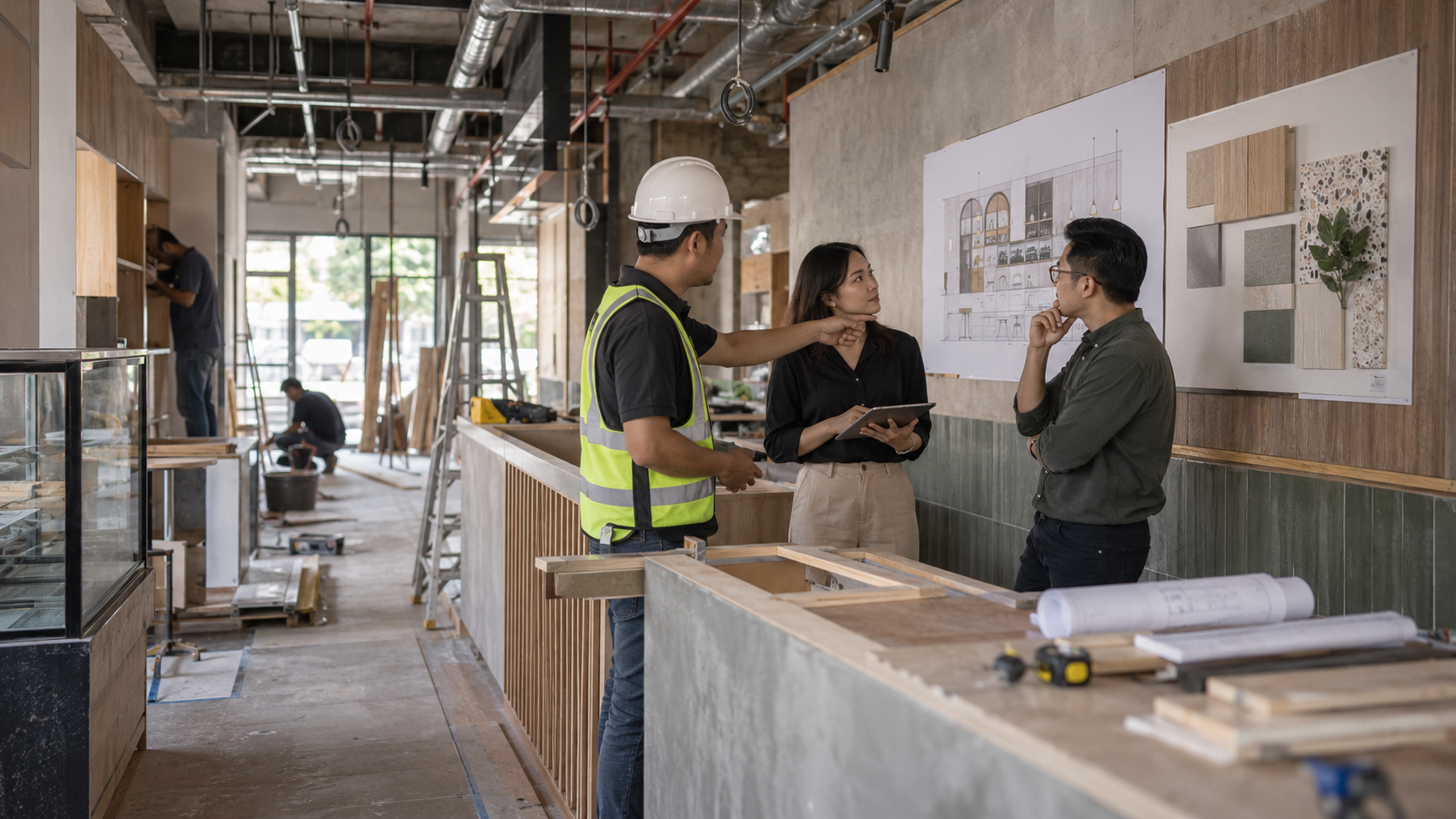
Organise the programme by decisions as well as activities. Before detailed services are coordinated, the team needs a usable equipment schedule. Before custom fabrication starts, the relevant dimensions and specifications need approval. Before opening, the responsible parties must confirm the applicable operating requirements.
| Stage | Completion evidence | Typical dependency to resolve |
|---|---|---|
| Brief and site review | Agreed menu assumptions, layout needs and survey questions | Site access and available building information |
| Design and scope | Approved drawing revision and scope record | Owner decisions and equipment information |
| Permissions and coordination | Required responses and coordinated responsibilities | Landlord, management and authority processes |
| Procurement | Confirmed orders and supplier delivery dates | Selections, deposits and dimensions |
| Installation | Completed work checked against the agreed scope | Access, preceding trades and material availability |
| Handover and opening preparation | Test records, defect actions and operating readiness | Equipment suppliers, staff and applicable permissions |
3. Confirm local and building requirements early
Ask who is responsible for identifying and coordinating the permissions relevant to your location and proposed work. Building management approval and business licensing are not the same process. Neither should be inferred from the fact that the previous tenant operated a cafe.
For a Petaling Jaya unit, MBPJ’s food-premises guidance is a useful starting point before renovation. Kuala Lumpur operators should check the relevant DBKL licensing information. Confirm the current process with the relevant authority for the actual address and activity.
Put the resulting actions in the programme, with a responsible person. Do not give an application an invented completion date. Where a response is outside the project team’s control, show the dependency and the consequence if it arrives later than hoped.
4. Track procurement before it becomes a site delay
List items whose availability or fabrication affects other work. These may include equipment, custom counters, furniture or selected finishes. Obtain dates from the actual supplier and record the assumptions behind them. A general catalogue lead time is not the same as a confirmed delivery commitment.
Also identify when decisions are needed. A finish selection made after fabrication is due to start can affect both cost and sequence. Give the owner a short approval calendar so the team knows what must be decided next, not just what has already become late.
5. Protect time for testing and corrections
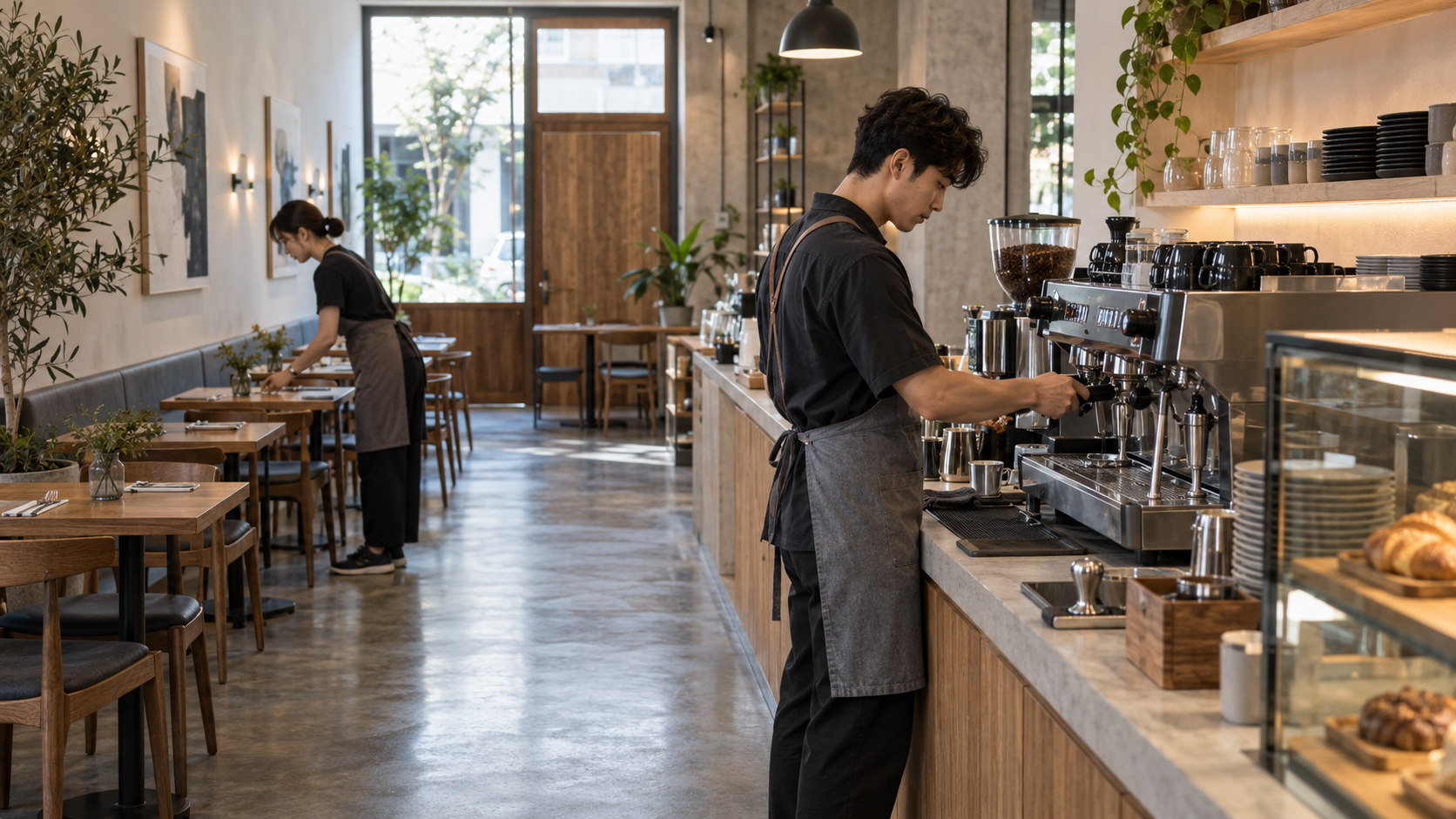
Reserve a defined handover stage instead of filling every available day with installation. Arrange supplier demonstrations and relevant tests. Then rehearse ordering, preparation, collection, clearing and closing with the operations team.
Record defects with owners and reinspection dates. A rushed final walk-through can leave the outlet manager managing unresolved construction issues during early service. Our cafe opening checklist helps separate operational preparation from the construction scope.
6. Review changes through their effect on the whole programme
When a change is proposed, ask three questions: what work must be redone, what order or approval is affected, and what happens to the next milestone? A small drawing revision may have a larger impact if an item has already been ordered or installed.
Keep one current programme and a short decision log. At each review, discuss completed evidence, upcoming decisions and blockers. “Almost done” is less useful than “counter installed; supplier connection and operation check still outstanding”.
Frequently asked questions
How many weeks will my cafe renovation take?
The scope, site conditions, decisions, permissions and procurement determine the answer. Ask for a project-specific programme after the team has reviewed those inputs, rather than relying on a generic online duration.
Can I announce the opening date before work starts?
You can set an internal target, but understand the unresolved dependencies before making a firm public commitment. Review the programme with your project and operations teams.
What helps APIO prepare a useful programme?
Share the premises information, menu, equipment list, desired opening period and building rules. Flag decisions that are still open, so they can be included rather than hidden.
Plan the next decision, not only the final date
Bring your opening target to APIO Design together with the site and business brief. A clear programme makes the dependencies visible and gives each team a practical next step.