

When comparing cafe renovation proposals in Selangor, a design fee only becomes meaningful when you understand the work behind it. One proposal might cover a concept and selected visuals; another might include detailed drawings, supplier coordination and defined site support. Put the deliverables beside one another before deciding which service fits your outlet.
This is a practical guide to comparing design services for a first cafe. It focuses on what you receive, when you receive it and who responds to questions. It does not set a standard fee or assume that every design team offers the same responsibilities. Start with your own project needs, then ask each team to explain its offer.
Give each team the same starting brief
Share the same premises information, menu, service model and intended project scope. Identify existing drawings, measured information and landlord requirements you already have. Label assumptions clearly. A proposal prepared for a simple cosmetic refresh cannot be compared fairly with one based on a substantial change to the kitchen and service layout.
Explain which decisions are settled and where you need help. For example, you may know your equipment list but need a better service arrangement. Alternatively, both the menu and equipment may still be developing. Ask each team what input it needs from you and which uncertainties would affect the scope or programme.
Ask for a deliverable list by stage
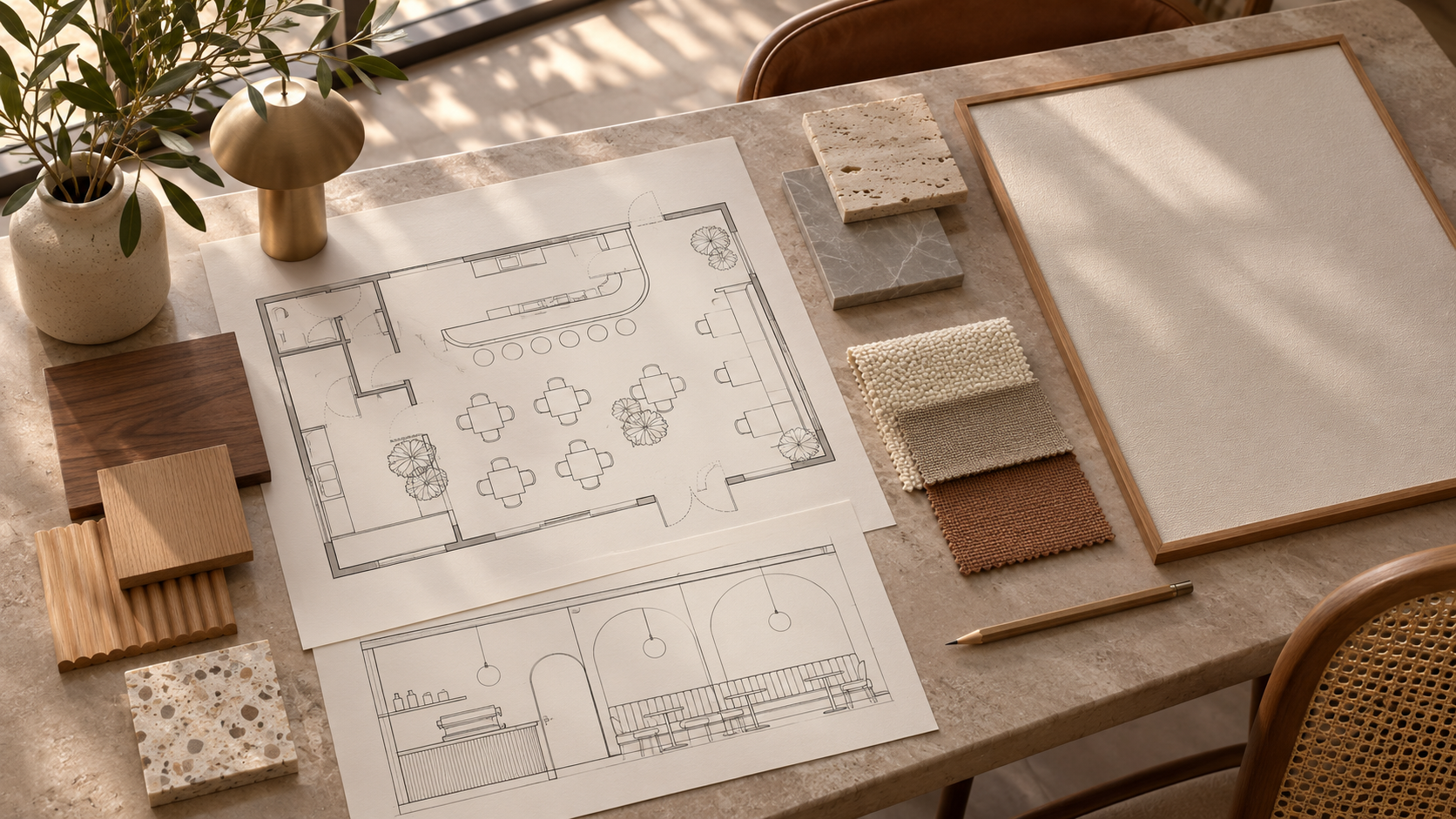
Replace broad descriptions such as “full design” with a list of outputs. Ask which plans, elevations, details, schedules and visuals will be prepared, and what each is intended to communicate. The list should suit the agreed project, rather than becoming a demand for every possible drawing.
The RIBA guidance on written appointments emphasises clarity about services and client responsibilities. This is UK professional guidance, not a statement of Malaysian appointment requirements. The useful comparison principle is simple: record the agreed service and its boundaries clearly before relying on it.
| Area of service | Ask the team | Record in your comparison |
|---|---|---|
| Concept | Which layout options, references and visuals are included? | Named outputs and review stage |
| Detailed design | Which construction information will be prepared? | Drawing and schedule list |
| Coordination | Who reviews equipment and specialist inputs? | Responsibilities and required owner information |
| Site support | What visits and responses are included? | Defined attendance and communication process |
| Revisions | How are changes after approval handled? | Included review rounds and additional-service process |
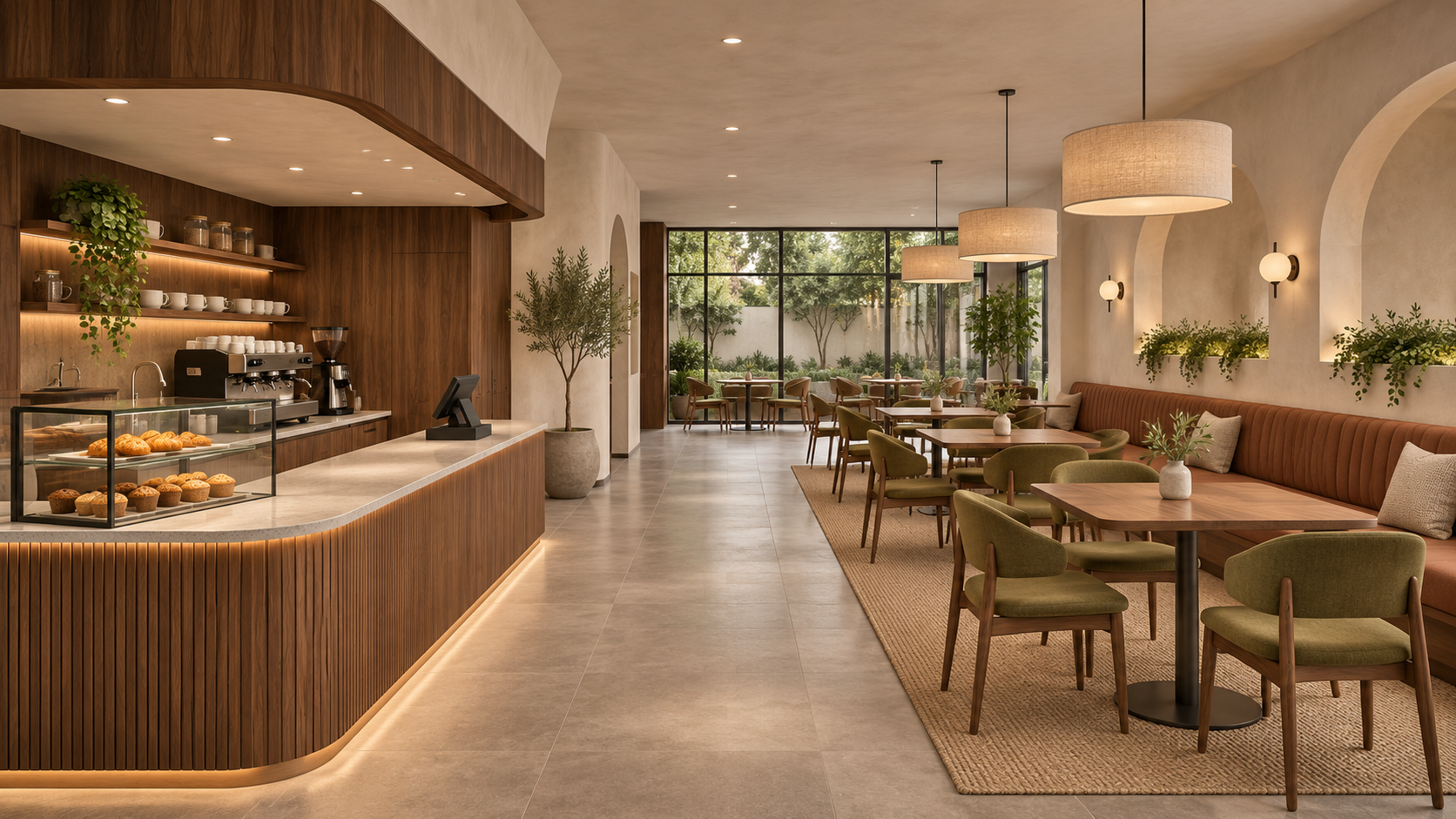
Ask for an explanation of the difference between a presentation image and information intended for construction. A rendered counter can communicate colour and mood without resolving its fixing details or equipment connections. Make sure the proposal identifies how those later decisions will be addressed if they are part of your project.
Clarify where the designer’s responsibility stops
Discuss interfaces with kitchen suppliers, specialist consultants, the landlord and the contractor. Who collects the relevant information, who reviews it and who issues a coordinated decision? A vague promise to “coordinate everything” can hide a gap between what the owner expects and what the team has allowed for.
Ask separately about any authority submissions or specialist design that may be relevant. Do not assume an interior design proposal includes every approval or discipline. The team should identify what it is offering, what is excluded and who needs to be appointed for the remaining work. Confirm project-specific requirements with the responsible parties.
Make review rounds understandable
Find out what counts as a review round and how feedback should be submitted. Agree who on your side can approve a stage. If several partners comment separately after approval, the team may receive conflicting instructions. Consolidating feedback makes the design conversation easier to follow and creates a clearer record of the decision.
Ask what happens when the brief changes. Adding a new service counter or changing the menu after detailed design may require a different amount of work from adjusting a finish sample. Request a written process for proposing additional services and agreeing their scope before they proceed; avoid assuming every later revision is included.
Connect deliverables to your project decisions
For each stage, ask what you will be expected to approve and what information will be available at that point. Can you review the service routes before fixed joinery is developed? Will material selections be sufficiently defined before you compare construction prices? A clear sequence helps you understand the purpose of each deliverable.
Check the proposed programme against your own availability and outstanding decisions. Identify dependencies such as equipment information, premises access or landlord responses. A completion date without these assumptions tells you less than a sequence explaining what must happen first. Refer to our cafe service-flow guide when describing the operational questions you want the design to resolve.
Compare the offer before comparing the headline fee
- Mark each required deliverable as included, excluded or awaiting clarification.
- Record the named contact and the communication arrangement.
- Separate design fees from other project costs described in the offer.
- Ask how additional work is proposed and agreed.
- Confirm what information is handed over at the end of the agreed service.
Send the same clarification questions to every shortlisted team. Keep the replies with the proposals so you are comparing the actual offered services. A lower headline fee may suit a narrower brief; a broader appointment may suit an owner needing more support. The decision should follow the scope your cafe needs, not an assumption that all proposals describe identical work.
Frequently asked questions
Is a 3D visual enough for the contractor to build from?
A visual communicates appearance. Ask what plans, details and specialist information are required for your agreed scope and who will prepare them.
Should I choose the proposal with the most drawings?
Choose relevant, clearly defined deliverables. More drawing titles do not automatically mean the service matches your project needs.
Are all revisions normally included?
Do not assume so. Ask each team to explain included reviews, changes to the brief and its process for agreeing additional services.
Discuss your cafe project with APIO
Use the APIO project planner to share your premises, menu, project stage and priorities. Tell us which decisions remain open so we can discuss the design support your cafe needs.